

Journal · Wellness
Protein bar vs chocolate bar: what the numbers really say
The AORAH Atelier · Published · 9 min
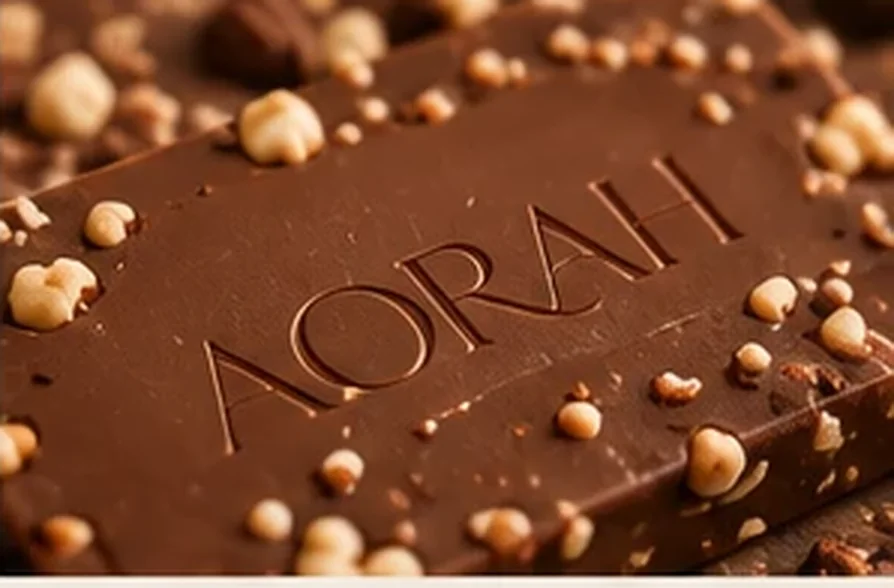
AORAH makes a vegan milk chocolate with plant protein, so we get asked this a lot: is a protein bar actually better than a chocolate bar? We went to the numbers instead of the marketing. The honest answer is that protein bars usually win on protein, often win on sugar, and sometimes do not, so the label on the bar in your hand matters more than the word on the front.
The drawer at 4 pm
Picture the office drawer. Somewhere around four in the afternoon, energy dips, and your hand goes to the same two things: a chocolate bar you have been saving, and a protein bar you bought with good intentions. Which one is the smarter choice? Most of us decide by the packaging. One is shouting protein in bold. The other is just chocolate.
We wanted to see what happens when you remove the packaging and compare the numbers.
A fair test: same unit, same source
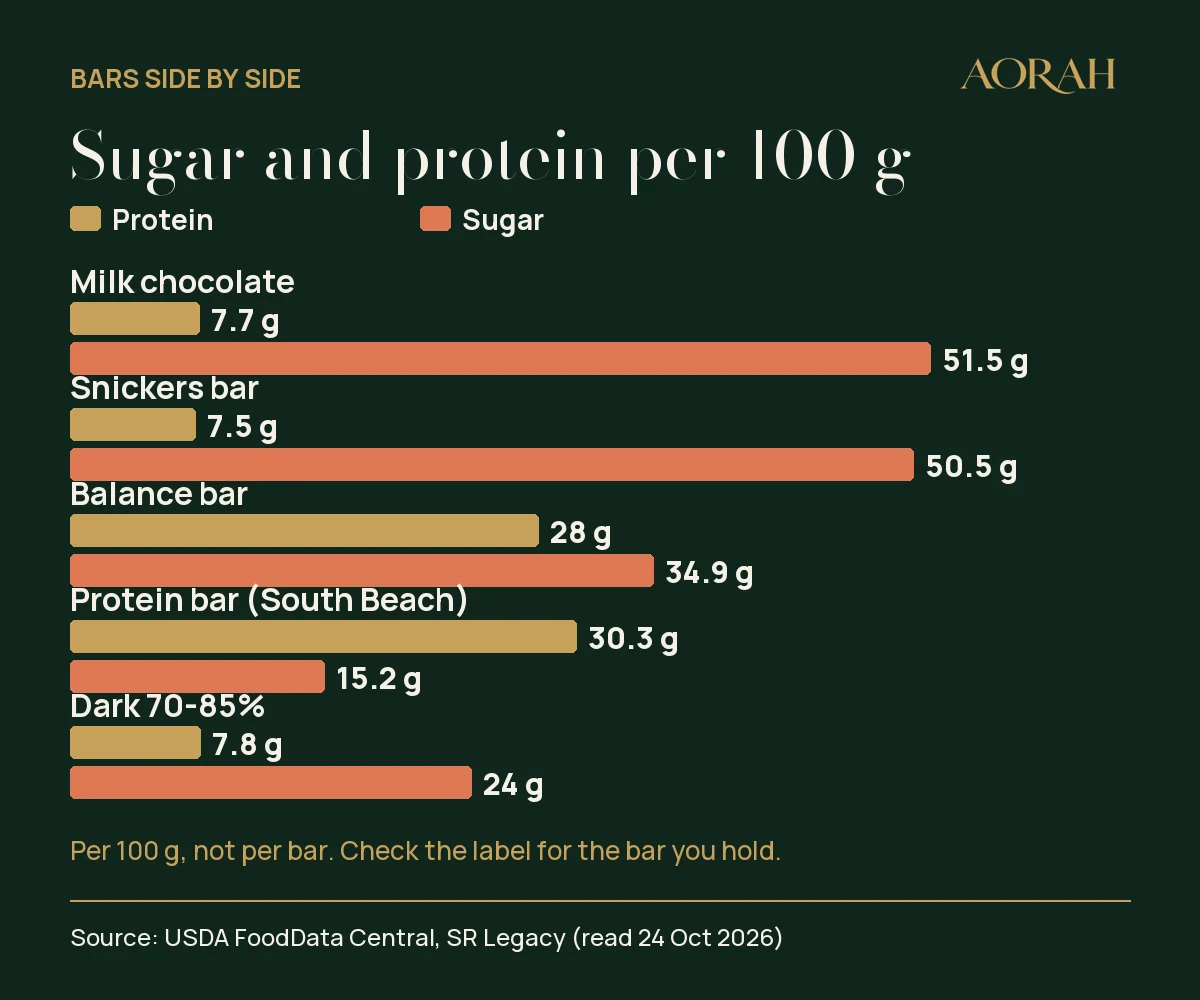
To keep it fair, we used one public source for every number: the United States Department of Agriculture's FoodData Central database, read on 24 October 2026. Everything below is per 100 grams, so a big bar cannot hide behind a small portion. We picked five foods the database records: milk chocolate, a Snickers bar, a Balance original bar, a South Beach protein bar, and dark chocolate with 70 to 85% cacao solids. They are older entries in a US database, so treat them as illustrations of a category, not a ranking of brands you can buy today.
The protein gap is real
Start with protein, because it is the number that justifies the name. Per 100 g, USDA records the two protein bars at 28 g and 30.3 g. Milk chocolate has 7.65 g, the Snickers bar 7.53 g, and 70 to 85% dark chocolate 7.79 g. So the protein bars deliver roughly four times as much protein as any of the chocolates. If protein is what you want from a snack, that gap is the whole story.
The sugar gap is wider, and messier
Sugar is where the bars separate. Milk chocolate comes in at 51.5 g per 100 g and the Snickers bar at 50.5 g, which is half the weight of the bar. The two protein bars could not be more different from each other: 15.2 g per 100 g for the South Beach bar and 34.9 g for the Balance bar. Dark chocolate with 70 to 85% cacao sits at 24 g.
That spread is the point. A protein bar is not automatically low in sugar. One of the two protein bars here has about as much sugar as the 70 to 85% dark chocolate bar has plus another 10 g, and about two thirds of the sugar in a Snickers.
Calories: the bit that surprises people
Here is the twist. Per 100 g, the protein bars are at 412 and 415 kcal. The chocolates are higher: the Snickers at 491 kcal, milk chocolate at 535, and 70 to 85% dark chocolate at 598. Dark chocolate is the most energy dense of all, because cocoa solids and cocoa butter carry a lot of fat: 42.6 g of fat per 100 g, against 12 to 15 g in the protein bars.
That does not make dark chocolate a poor choice. It carries 10.9 g of fibre per 100 g, the most of the five, against 2.3 g for the Snickers. It means portion matters, and that a square or two of dark chocolate is a different decision from a whole bar.
Scale it to a 50 g bar
Per 100 g is fair for comparing foods, but you eat bars, not hundreds of grams. Halve the USDA figures and you get what a 50 g serving of each would carry. Milk chocolate would give about 268 kcal, 25.8 g of sugar and 3.8 g of protein. The Snickers entry would give about 246 kcal, 25.3 g of sugar and 3.8 g of protein. The Balance bar would give about 208 kcal, 17.5 g of sugar and 14 g of protein. The South Beach bar would give about 206 kcal, 7.6 g of sugar and 15.2 g of protein. And 70 to 85% dark chocolate would give about 299 kcal, 12 g of sugar and 3.9 g of protein.
To put the sugar in context, the World Health Organization says free sugars should be limited to less than 10% of total daily energy intake, which it equates to 50 g, or about 12 level teaspoons, for a person of healthy body weight, and that limiting them further to 5% or less may provide additional health benefits. You can read it on the WHO healthy diet fact sheet, last updated 26 January 2026. One caution: the USDA figures above are total sugars, and in chocolate most of that is added sugar, so they are a fair guide to the WHO yardstick but not an exact match for the free sugars definition.
A 50 g milk chocolate bar can use up about half of a whole day's 10% free sugar limit. A 50 g bar with about 8 g of sugar leaves most of it for the rest of your day.
What Harvard found, a decade earlier
This is not a new debate. In December 2015, Harvard Health Publishing compared a Snickers bar with a Luna bar and a Nature Valley granola bar. The Snickers had 250 calories, 12 g of fat, 27 g of sugar and 4 g of protein in a 52.7 g bar. The Luna bar had 190 calories, 10 g of sugar and 9 g of protein in 48 g. The granola bar had 190 calories, 11 g of sugar and 3 g of protein in 42 g.
The article's conclusion is a useful dose of calm. Gram for gram, the calories were similar, and the author wrote that a Snickers "isn't all that much worse than many nutrition bars". It also said protein makes little difference for someone who already eats a balanced diet, and that while an occasional candy bar probably will not harm you, a daily one is not recommended. The piece is archived and from 2015, but its logic holds.
How to choose in five seconds
So how do you pick? Not by the front of the pack. Flip it over and use this order:
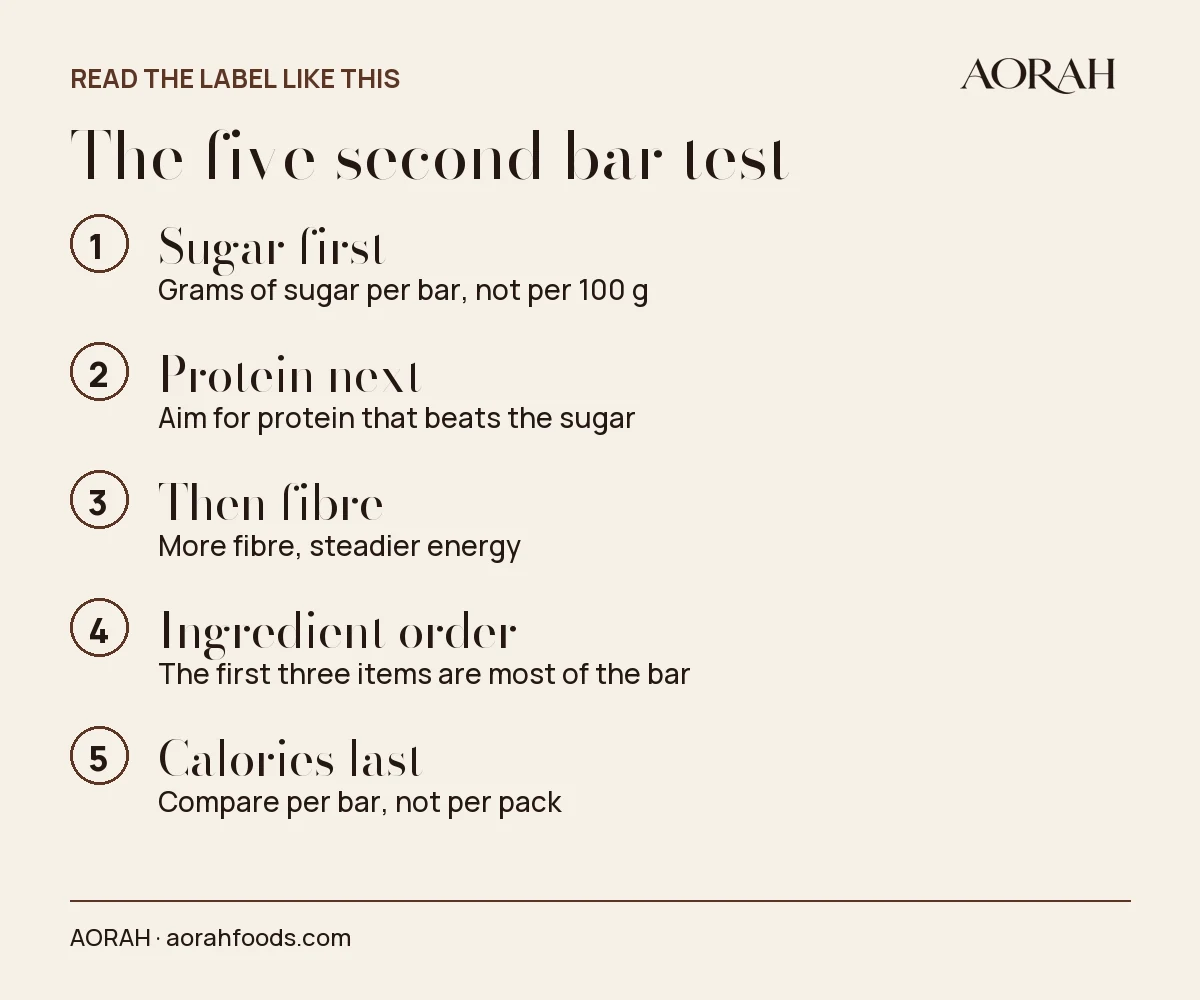
- Sugar first. Read grams per bar, not per 100 g, and notice how many are added.
- Protein next. A useful bar gives you more grams of protein than grams of sugar.
- Fibre third. More fibre usually means a steadier snack.
- Ingredient order. The first three items make up most of the bar.
- Calories last. Compare per bar and think about how it fits your day.
Where AORAH fits
We are honest about what our 36% Protein is: a vegan milk chocolate with plant protein, not a dedicated protein bar. Per our pack, a 50 g bar has 6.8 g of protein and 5.6 g of fibre. For a sense of scale, a dedicated bar at 28 to 30 g per 100 g would carry about 14 to 15 g in the same 50 g. If that is the number you need, a protein bar will deliver it. What the 36% Protein offers instead is a chocolate you would choose for pleasure, with a little protein, fibre from millets and quinoa, and no added sugar.
And if the snack you want is dark, the 62% Signature Blend sits in the category with the highest fibre in our comparison, and a small square goes a long way. Both are on our energy and protein chocolate page, with the full ingredients, so you can run the five second test on us too.
So, which one?
The drawer question has no single answer, but it has a better question behind it. Not "which is healthier" but "what do I need from this snack, and what is in this particular bar?" If you need protein, a protein bar usually wins. If you need a treat you will actually enjoy, a good chocolate in a sensible portion is a fair choice. If you want to understand protein for the whole day, start with how much protein you need and our guide to whether protein bars are healthy.
The packaging will always shout. The numbers, thankfully, stay calm.
References and further reading
Written by the AORAH team and checked against the sources above. This is general food information, not medical advice. If you have a health condition or allergy, speak to a qualified professional.
Quick answers
Not automatically. USDA data shows protein bars carry about four times the protein of milk chocolate per 100 g, but their sugar ranges from 15 g to 35 g in the two examples we compared, against about 50 g in milk chocolate and a Snickers. Compare the label of the bar you are holding.
It varies widely. In USDA data, one protein bar has 15.2 g of sugar per 100 g and another has 34.9 g. Always read the grams per bar and the ingredient list.
Per 100 g, yes. USDA lists 70 to 85% dark chocolate at 598 kcal against 412 to 415 kcal for two protein bars, because cocoa butter is high in fat. It also has 10.9 g of fibre per 100 g, so portion size matters.
Sometimes. Harvard Health's 2015 comparison found a Snickers bar was not all that much worse than many nutrition bars gram for gram, though some bars offered much more protein and less sugar. It depends on the bar.
Per our pack, a 50 g bar has 6.8 g of plant protein and 5.6 g of fibre. It is a vegan chocolate with protein, not a dedicated high protein bar.
The WHO says free sugars should be limited to less than 10% of total daily energy intake, about 50 g or 12 level teaspoons for a person of healthy body weight, and that 5% or less may provide additional benefits.
Featured in this story
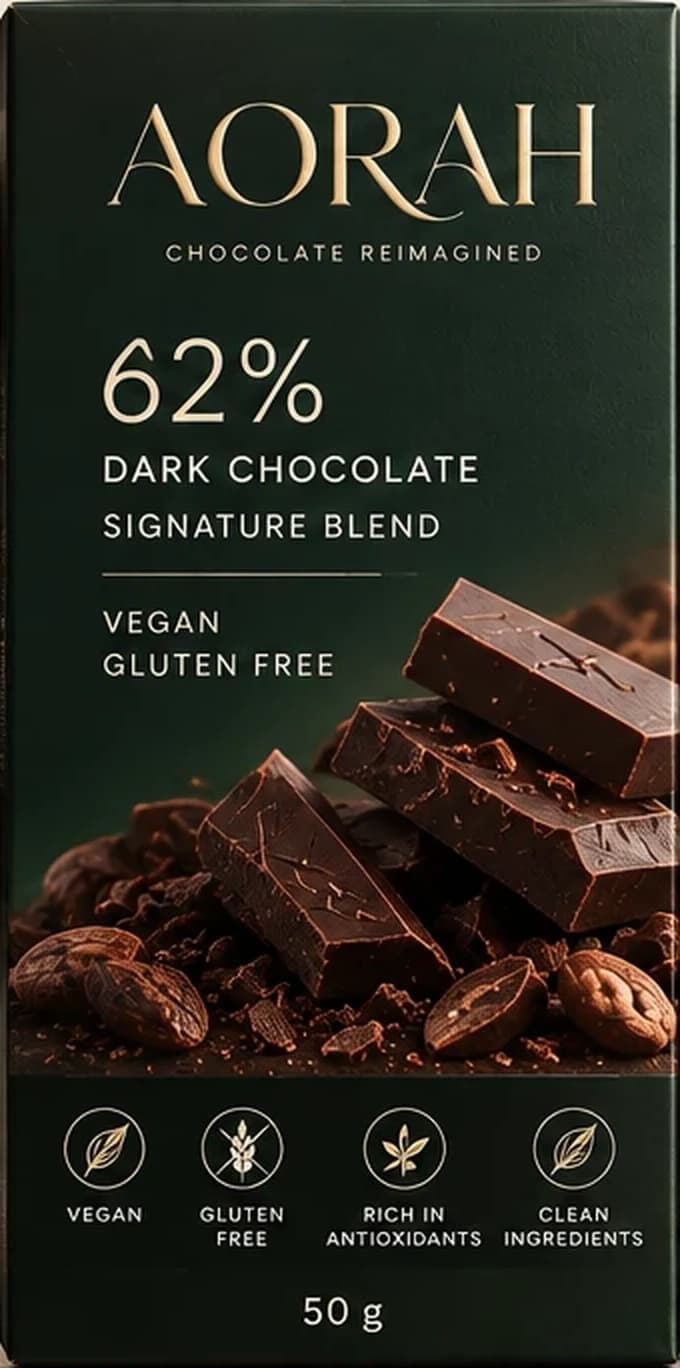
Auckland · 62% Signature Blend
Vegan · Gluten free · 50 g
20% off
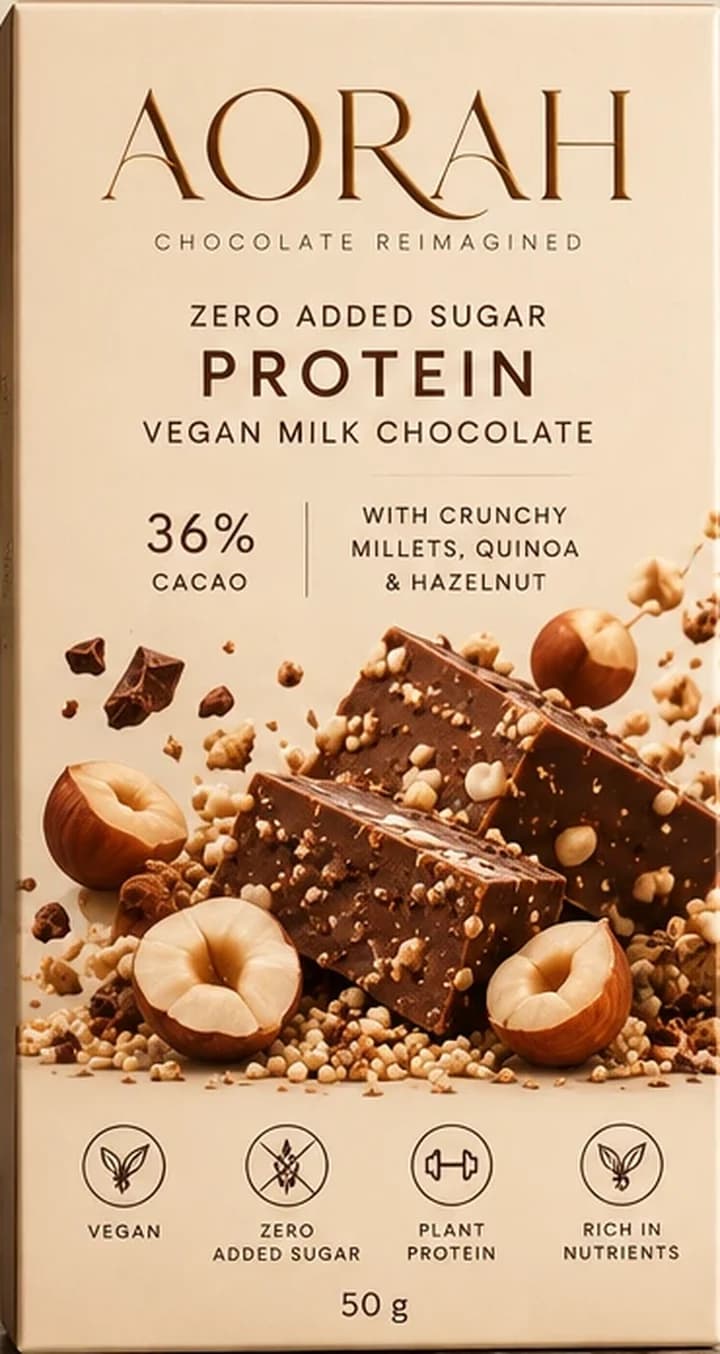
Hamilton · 36% Protein Vegan Milk Chocolate
Vegan · Zero added sugar · Plant protein · 50 g
20% off
A small ritual, delivered
One considered email, when there is something worth saying.
Keep reading